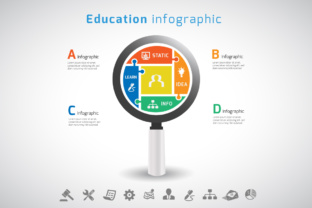
Magnifying Glass Puzzle Infographic
The Magnifying Glass Puzzle Infographic is a visual tool designed to help users uncover hidden details, solve problems, and explore complex information in a creative way. It combines the idea of a puzzle with the concept of a magnifying glass, offering an engaging way to examine content closely and find connections that might otherwise go unnoticed.
What Is a Magnifying Glass Puzzle Infographic?
A Magnifying Glass Puzzle Infographic is a type of graphic that presents information in a format where certain elements are only visible when you "zoom in" or focus on specific areas. This can be done through interactive digital formats or static images with layered details. The goal is to encourage curiosity, critical thinking, and exploration.
These infographics often include elements like hidden text, symbols, patterns, or clues that require careful observation to discover. They’re ideal for people who enjoy challenges, learning through discovery, or visual problem-solving.
Key Features and Benefits
The appeal of the Magnifying Glass Puzzle Infographic lies in its unique blend of interactivity, education, and entertainment. Here are some key features:
- Interactive Learning: Users engage with the content actively rather than passively absorbing it.
- Critical Thinking: Encourages users to look beyond the surface and analyze details.
- Visual Appeal: Attractive design makes learning or exploring more enjoyable.
- Problem-Solving: Helps users develop skills in identifying patterns and solving puzzles.
Whether used for educational purposes, marketing campaigns, or personal development, these infographics offer a fresh approach to information delivery.
Why People Might Be Interested
Many people are drawn to the Magnifying Glass Puzzle Infographic because it offers a new way to interact with information. For beginners, it’s a fun and accessible way to learn without feeling overwhelmed. For professionals, it can be a tool for brainstorming, presenting data, or engaging audiences in a memorable way.
Entrepreneurs and marketers might use it to create interactive content that captures attention and encourages deeper engagement. Educators could incorporate it into lessons to make learning more dynamic and hands-on. Hobbyists and creatives may enjoy the challenge of uncovering hidden details and sharing their discoveries with others.
Practical Uses in Different Contexts
The versatility of the Magnifying Glass Puzzle Infographic makes it suitable for a wide range of applications:
- Education: Teachers can use it to create interactive quizzes, history timelines, or science diagrams that students explore by focusing on different parts.
- Marketing: Brands can design infographics that reveal product features, company stories, or promotional offers when users zoom in.
- Business Presentations: Professionals can add layers of detail to slides, allowing audiences to discover insights as they engage with the content.
- Personal Development: Individuals can use it to break down complex ideas, track progress, or visualize goals in a more structured way.
- Lifestyle: It can be part of games, puzzles, or art projects that promote mindfulness and creativity.
Each use case benefits from the infographic's ability to draw attention, spark interest, and encourage deeper exploration.
How to Use It Effectively
To get the most out of a Magnifying Glass Puzzle Infographic, consider the following tips:
- Define Your Goal: Know what you want users to discover or learn before designing the infographic.
- Keep It Simple: Avoid overloading the design with too many elements. Focus on clarity and ease of use.
- Test It Out: Try the infographic yourself or with others to ensure it works as intended.
- Provide Feedback Channels: Allow users to share their findings or ask questions to enhance the experience.
By following these steps, you can create a more engaging and effective experience for your audience.
Things to Consider Before Using It
Before diving into creating or using a Magnifying Glass Puzzle Infographic, there are a few important factors to keep in mind:
- Accessibility: Ensure that the design is easy to navigate for all users, including those with visual impairments.
- Platform Compatibility: If it's digital, check that it works well across different devices and browsers.
- Time Investment: Creating a high-quality infographic may take time and resources, so plan accordingly.
- Relevance: Make sure the content aligns with your audience's interests and needs.
Considering these aspects helps ensure that the infographic serves its purpose effectively and reaches the right people.
Conclusion
The Magnifying Glass Puzzle Infographic is more than just a visual tool—it's a way to engage, educate, and inspire. Whether you're a teacher, marketer, creator, or simply someone who enjoys a good challenge, it offers a unique and rewarding experience. By understanding its features, uses, and best practices, you can harness its potential to enhance your work, learning, or personal growth.