Marketing Flyer Events: A Powerful Tool for Modern Businesses
Marketing flyer events have become a staple in the promotional strategies of many businesses, especially those looking to connect with local audiences. These events offer a tangible way to spread brand awareness, generate leads, and drive foot traffic to physical locations. Whether you're running a small business or managing a larger marketing campaign, understanding how to effectively use flyer events can make a significant difference in your overall strategy.
What Are Marketing Flyer Events?
A marketing flyer event is a promotional activity where businesses distribute printed materials—flyers, brochures, or handouts—to potential customers. These events often take place at local markets, community gatherings, trade shows, or even on the street. The goal is to engage people directly, provide them with information about products or services, and encourage them to take action, such as visiting a store or signing up for a newsletter.
Marketing Flyer Events are particularly effective because they allow for personal interaction. Unlike digital ads, which can be ignored or scrolled past, a well-designed flyer can catch someone’s attention and prompt an immediate response. This makes them a valuable tool in both traditional and modern marketing approaches.
The Benefits of Using Marketing Flyer Events
There are several advantages to incorporating Marketing Flyer Events into your marketing plan. One of the most obvious is the ability to reach a local audience. For businesses that rely on foot traffic, such as restaurants, retail stores, or service providers, distributing flyers in high-traffic areas can lead to increased visibility and customer engagement.
Another benefit is cost-effectiveness. Compared to other forms of advertising, such as television or online ads, creating and distributing flyers is relatively inexpensive. This makes it an ideal option for small businesses or startups with limited budgets. Additionally, flyers can be reused or repurposed for different events, maximizing their value over time.
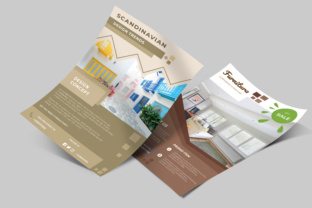
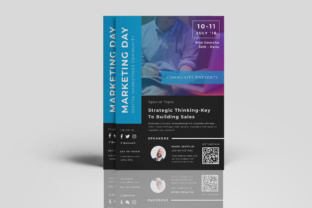
Marketing Flyer Events also allow for creative expression. You can design your flyers to reflect your brand’s personality, using eye-catching visuals, bold text, and clear calls to action. This not only helps in attracting attention but also reinforces brand identity among your target audience.
How to Plan a Successful Marketing Flyer Event
Planning a successful Marketing Flyer Event requires careful preparation and execution. Start by defining your goals. Are you looking to increase brand awareness, promote a new product, or drive sales? Your objectives will influence the content, design, and distribution strategy of your flyers.
Next, identify your target audience. Who are you trying to reach? Understanding your audience’s preferences, habits, and interests will help you tailor your message and choose the right locations for distribution. For example, if you’re targeting young professionals, you might focus on areas near office buildings or cafes. If your audience is families, you could distribute flyers at parks or community centers.
Designing an effective flyer is crucial. Use clear and concise language, highlight key information, and include a strong call to action. Make sure your contact details, website, and social media handles are easy to find. Consider adding a QR code that links to your website or a special offer, making it easier for people to engage with your brand.
Where to Distribute Your Flyers
The success of your Marketing Flyer Events depends largely on where you choose to distribute your materials. High-traffic areas such as shopping malls, public transportation hubs, and local events are ideal spots. However, don’t overlook less obvious locations. For instance, placing flyers in local coffee shops, libraries, or community bulletin boards can also yield good results.
Partnerships with local businesses or organizations can also enhance the effectiveness of your flyer distribution. By collaborating with other businesses, you can reach a wider audience and share the costs of printing and distribution. This approach not only saves money but also builds relationships within your community.
When distributing flyers, consider the timing. For example, if you’re promoting a weekend event, distribute flyers during the week when people are more likely to be planning their activities. Similarly, if you’re targeting a specific demographic, choose times when they are most active and available.
Measuring the Impact of Your Marketing Flyer Events
Once your Marketing Flyer Events are underway, it’s important to track their effectiveness. While it may be difficult to measure the exact impact of each flyer, there are several ways to gauge success. Monitor website traffic, phone calls, or in-store visits during and after the event. You can also ask customers how they found out about your business, which can provide insights into the effectiveness of your flyer distribution.
Consider using unique promo codes or tracking URLs in your flyers to see which campaigns are driving the most engagement. This data can help you refine your approach and improve future flyer events. Additionally, gathering feedback from customers or attendees can provide valuable information about what worked well and what could be improved.
Common Challenges and How to Overcome Them
Despite their benefits, Marketing Flyer Events can come with challenges. One common issue is low engagement. People may not take the time to read your flyer, especially if it’s not visually appealing or lacks clear messaging. To combat this, focus on creating a compelling design and a strong call to action.
Another challenge is the risk of your flyers being discarded or ignored. To increase the chances of your flyers being noticed, consider using eye-catching colors, bold fonts, and relevant imagery. Also, ensure that your message is concise and easy to understand at a glance.
Finally, there’s the issue of cost and logistics. Printing and distributing large quantities of flyers can be expensive, especially if you’re targeting multiple locations. To manage costs, consider printing smaller batches and testing different designs before committing to a large run. You can also explore digital alternatives, such as email newsletters or social media posts, to complement your flyer efforts.