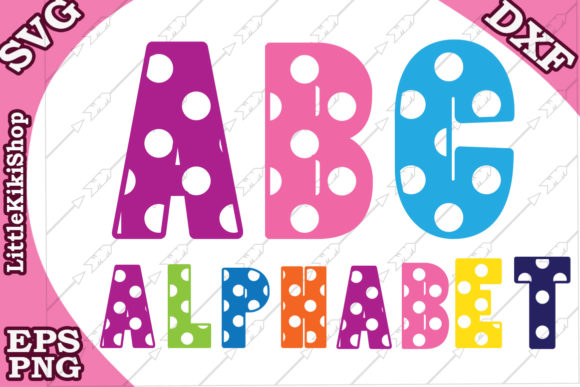
Polka Dot Font: A Playful and Versatile Typographic Choice
The Polka Dot Font is a distinctive typeface that brings a whimsical, energetic vibe to any design. With its unique pattern of small, evenly spaced dots, this font stands out in a sea of more traditional typography. Whether you're designing for a children's book, a marketing campaign, or a creative project, the Polka Dot Font offers a fresh and eye-catching alternative that can elevate your work.
What Is the Polka Dot Font?
The Polka Dot Font is not just a regular font—it’s a visual concept that combines typography with a playful graphic element. Each letter is designed with a series of tiny dots that create a consistent, repeating pattern across the entire text. This design choice gives the font a fun, retro feel that appeals to a wide range of audiences.
Unlike standard fonts that focus solely on legibility and style, the Polka Dot Font adds an extra layer of visual interest. It’s ideal for projects that aim to convey a sense of joy, creativity, or lightheartedness. The font’s name itself suggests its aesthetic: polka dots are a classic pattern known for their simplicity and charm, making this font a natural fit for those who want to incorporate that same energy into their designs.
Key Features and Characteristics
- Visual Appeal: The most striking feature of the Polka Dot Font is its unique dot pattern, which adds a dynamic and engaging look to any text.
- Versatility: While it may seem limited in scope, the Polka Dot Font can be used in various contexts, from branding to digital media, as long as the design aligns with its playful nature.
- Legibility Considerations: Due to the presence of dots, some users may find the font less readable at smaller sizes. Careful attention should be given to font size and spacing when using this typeface.
- Color Options: Many versions of the Polka Dot Font allow for customization in terms of color, enabling designers to match it with other elements in their compositions.
Where Can You Use the Polka Dot Font?
The Polka Dot Font is best suited for projects that benefit from a bold, expressive style. Here are some common applications:
- Children’s Content: Books, educational materials, and toys often use the Polka Dot Font to capture the attention of young readers and create a fun atmosphere.
- Marketing and Advertising: Brands looking to stand out in a competitive market may use this font in slogans, logos, or promotional materials to evoke a sense of playfulness and creativity.
- Web Design: Web developers and designers might incorporate the Polka Dot Font in headers, buttons, or banners to add a unique visual identity to a site.
- Print Materials: Posters, flyers, and packaging can benefit from the Polka Dot Font’s ability to draw attention and convey a specific mood or theme.
Who Benefits From Using the Polka Dot Font?
The Polka Dot Font is particularly useful for:
- Graphic Designers: Those who enjoy experimenting with typography and want to add a unique touch to their work.
- Business Owners: Entrepreneurs looking to create a memorable brand identity that reflects their personality or business values.
- Content Creators: Bloggers, YouTubers, and social media influencers who want to make their content more visually engaging.
- Teachers and Educators: Professionals who need to create materials that are both informative and visually appealing to students.
Strengths and Limitations of the Polka Dot Font
The Polka Dot Font has several strengths that make it a valuable tool in the designer’s arsenal. Its distinctiveness helps it stand out in crowded visual spaces, and its playful nature can evoke positive emotions in viewers. Additionally, the font’s versatility allows it to be adapted for different uses, provided the context is appropriate.
However, there are also limitations to consider. As mentioned earlier, the font may not be the best choice for large blocks of text due to potential readability issues. It also requires careful handling in terms of spacing and size to ensure it remains effective. In some professional settings, the Polka Dot Font may be seen as too informal or unconventional, which could limit its suitability.
Real-World Applications and Examples
Let’s explore how the Polka Dot Font is used in practice:
- Children’s Book Covers: A children’s book about a magical adventure might use the Polka Dot Font for its title to create a sense of wonder and excitement.
- Brand Logos: A boutique clothing store targeting a younger demographic could use the Polka Dot Font in its logo to reflect a fun, youthful image.
- Event Invitations: A party planner might choose the Polka Dot Font for event invitations to set a cheerful and inviting tone.
- Social Media Posts: Influencers and content creators might use the Polka Dot Font in their captions or graphics to add a unique visual flair.
How to Evaluate the Suitability of the Polka Dot Font
Before deciding to use the Polka Dot Font, it’s important to assess whether it aligns with your project’s goals and audience. Ask yourself the following questions:
- What message am I trying to convey? If your goal is to communicate something serious or formal, the Polka Dot Font may not be the best choice.
- Who is my target audience? The font works well for younger audiences or those who appreciate a more casual, creative style.
- Is the font compatible with my design? Ensure that the Polka Dot Font complements other elements in your layout, such as images, colors, and other typographic styles.
- Am I prepared to handle potential readability challenges? If you’re using the font in a larger text block, consider alternatives or adjustments to maintain clarity.
In conclusion, the Polka Dot Font is a fun, eye-catching option that can bring a fresh perspective to your design work. When used appropriately, it can enhance the visual appeal of your projects and help you connect with your audience in a more engaging way. By understanding its strengths, limitations, and suitable applications, you can make informed decisions about when and how to incorporate this unique font into your creative endeavors.