Understanding Restaurant Menu: A Comprehensive Guide
Restaurant menu is a critical component of any dining establishment, serving as the primary interface between the restaurant and its customers. It outlines the available dishes, beverages, and other offerings, providing essential information that influences customer choices and overall dining experiences. Whether you're a restaurant owner, a food enthusiast, or someone looking to make an informed decision about where to eat, understanding what a restaurant menu entails can be invaluable.
What Is a Restaurant Menu?
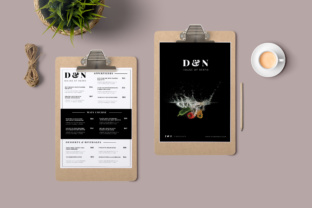
A restaurant menu is a list of food and drink items available for purchase at a particular establishment. It typically includes descriptions, prices, and sometimes additional details such as ingredients, dietary information, or preparation methods. The menu serves multiple purposes, from guiding customer selections to reflecting the restaurant's brand, cuisine, and pricing strategy.
Menus can vary widely in format, ranging from traditional printed versions to digital options accessible via mobile devices or kiosks. Some restaurants also use interactive menus that allow customers to customize their orders or view nutritional information. Regardless of the format, the menu plays a central role in shaping the customer experience and the restaurant's operational efficiency.
Reasons to Consider a Restaurant Menu
There are several reasons why someone might be interested in exploring or evaluating a restaurant menu. For instance, diners seeking specific dietary preferences, such as vegetarian, vegan, or gluten-free options, often rely on menus to find suitable meals. Similarly, individuals with allergies or food intolerances may need detailed information about ingredients and preparation methods.
Restaurants also use menus to communicate their unique selling points, such as locally sourced ingredients, signature dishes, or special promotions. This can be particularly appealing to customers who value authenticity, quality, or exclusivity. Additionally, menus can influence perceptions of a restaurant’s ambiance, pricing, and overall appeal, making them a key factor in decision-making for many diners.
Benefits of a Well-Designed Restaurant Menu
A well-crafted restaurant menu offers numerous benefits. It enhances the customer experience by providing clear and organized information, reducing confusion and improving satisfaction. It also supports efficient operations by streamlining order-taking and minimizing errors. Furthermore, a thoughtfully designed menu can drive sales by highlighting high-margin items, promoting seasonal specials, or encouraging upselling.
For restaurant owners, a menu serves as a strategic tool for managing inventory, pricing, and marketing efforts. It allows for adjustments based on customer feedback, market trends, and business goals. In this way, a menu is not just a list of items but a dynamic element that contributes to the success of the establishment.
Tradeoffs and Considerations
While a restaurant menu is essential, it is not without its challenges. One potential tradeoff is the risk of overwhelming customers with too many options. An overly complex menu can lead to decision fatigue, making it harder for diners to choose and potentially affecting their overall satisfaction. Restaurants must strike a balance between variety and simplicity to maintain clarity and usability.
Another consideration is the cost associated with menu design and updates. Printing physical menus requires resources, while digital options may involve technology investments. Additionally, maintaining accurate and up-to-date information is crucial, as outdated or incorrect details can lead to customer dissatisfaction and operational inefficiencies.
Situations Where a Restaurant Menu Is a Strong Fit
A restaurant menu is particularly effective in situations where clarity, consistency, and customer engagement are priorities. For example, fine dining establishments often use detailed menus to enhance the perceived value of their offerings and create a more immersive dining experience. Casual eateries may benefit from simple, visually appealing menus that reflect their brand identity and attract a broader audience.
Additionally, menus are ideal for businesses that want to standardize their offerings and ensure a cohesive customer experience across different locations. They provide a reliable reference point for both staff and guests, helping to maintain quality and efficiency. In these scenarios, a well-designed menu can significantly contribute to the restaurant's success and reputation.
When Alternatives May Be Worth Considering
While a restaurant menu is a common solution, there are instances where alternatives may be more appropriate. For example, some fast-casual restaurants opt for a limited menu with pre-set combinations to streamline operations and reduce wait times. This approach can be especially beneficial in high-volume environments where speed and efficiency are critical.
Other alternatives include using digital kiosks, mobile apps, or QR codes that link to online menus. These options offer flexibility and can be updated in real time, making them suitable for businesses that frequently change their offerings or require instant access to information. However, they may also present challenges related to accessibility, user experience, and technological reliability.
Practical Decision-Making Insights
When deciding whether a restaurant menu aligns with your goals, consider factors such as your target audience, business model, and operational needs. If your goal is to provide a personalized and engaging dining experience, a well-designed menu can be a powerful asset. On the other hand, if efficiency and simplicity are more important, alternative approaches may be more suitable.
It is also important to evaluate how the menu reflects your brand and values. Does it accurately represent your offerings and resonate with your customers? Are there opportunities to improve clarity, organization, or visual appeal? By addressing these questions, you can make more informed decisions about the role of a restaurant menu in your business or dining choices.